Homeowner’s Guide: Types of Siding
Homeowner’s Guide: Types of Siding
Your home’s siding does more than create curb appeal; it protects your house from the elements, improves energy efficiency, and plays a major role in long-term maintenance costs. With so many materials available, choosing the right siding can feel overwhelming.
This guide breaks down the most popular types of siding, their pros and cons, and what to consider before making a decision.
Siding Options
Vinyl Siding
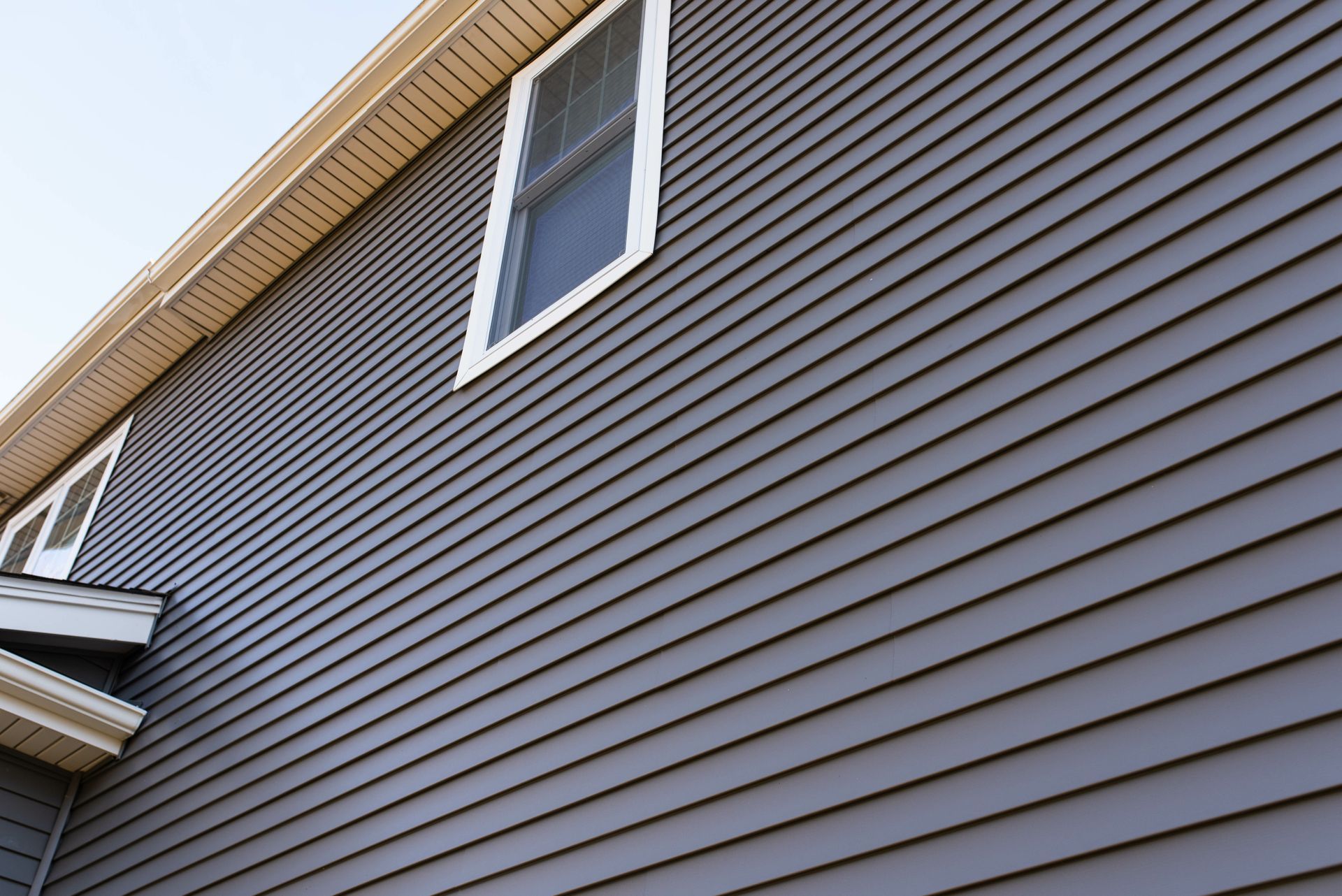
Vinyl siding is one of the most popular options in the U.S. It’s made from PVC plastic and comes in a wide variety of colors and styles.
Pros:
- Affordable
- Low maintenance
- Resistant to rot and insects
- Wide range of colors and textures
- Easy installation
Cons:
- Can crack in extreme cold
- May warp in high heat
- Less impact-resistant than some materials
Lifespan: 20–40 years
Fiber Cement Siding
Made from cement, sand, and cellulose fibers, fiber cement siding (like James Hardie® products) mimics wood, stucco, or masonry while offering excellent durability.
Pros:
- Fire resistant
- Highly durable
- Resistant to pests and rot
- Holds paint well
- Great for various climates
Cons:
- Higher installation cost
- Heavy material
- Requires professional installation
Lifespan: 30–50+ years
Wood Siding
Wood siding offers timeless beauty and natural charm. Common options include cedar, pine, redwood, and engineered wood.
Pros:
- Natural, warm appearance
- Customizable (stain or paint)
- Environmentally friendly (when sourced responsibly)
Cons:
- Requires regular maintenance
- Susceptible to rot, insects, and fire
- Higher long-term upkeep costs
Lifespan: 20–40 years (with proper maintenance)
Engineered Wood Siding
Engineered wood is made from wood fibers and resins, designed to resist moisture and pests better than traditional wood.
Pros:
- More affordable than real wood
- Easier to maintain
- Impact resistant
- Attractive wood appearance
Cons:
- Still requires periodic maintenance
- Quality varies by manufacturer
Lifespan: 20–30 years
Metal Siding (Aluminum & Steel)
Metal siding is durable and resistant to fire and pests. It’s commonly used in contemporary homes and agricultural-style designs.
Pros:
- Fire resistant
- Durable and weather-resistant
- Low maintenance
- Eco-friendly (recyclable)
Cons:
- Can dent
- May be noisy during heavy rain
- Potential for rust (if not properly coated)
Lifespan: 40–70 years
Brick and Stone Veneer
Brick and stone are some of the most durable siding options available. Veneer options provide similar aesthetics at a lower cost and weight.
Pros:
- Extremely durable
- Low maintenance
- Excellent insulation properties
- Timeless appearance
Cons:
- High upfront cost
- Requires structural support
- Labor-intensive installation
Lifespan: 50–100+ years
Stucco Siding
Stucco is a cement-based material applied in layers over a wire framework. It’s popular in Southwestern and Mediterranean-style homes.
Pros:
- Durable in dry climates
- Fire resistant
- Unique texture and appearance
- Energy efficient
Cons:
- Can crack in areas with shifting soil
- Not ideal for very wet climates
- Repairs can be noticeable
Lifespan: 40–60 years
How to Choose the Right Siding
When deciding on siding, consider:
1. Climate
Some materials perform better in certain weather conditions. For example:
- Fiber cement works well in humid climates.
- Stucco performs best in dry areas.
- Vinyl may struggle in extreme temperatures.
2. Budget
Consider both installation and long-term maintenance costs. Lower upfront costs may lead to higher maintenance expenses later.
3. Maintenance Preferences
Be realistic about how much upkeep you're willing to handle. Wood requires frequent care, while vinyl and metal require very little.
4. Energy Efficiency
Insulated siding options can improve your home’s thermal performance and reduce utility bills.
5. Aesthetic Goals
Choose a material that complements your home’s architectural style and neighborhood.
Protect Your Home with the Right Siding — and the Right Team
Choosing the right siding is one of the most important investments you can make in your home. From enhancing curb appeal to improving energy efficiency and long-term durability, the right material, professionally installed, makes all the difference. That’s where Horsley Exteriors LLC comes in. We help homeowners make confident decisions and deliver results that last.
Don’t leave your home’s protection to chance. Contact us today for a professional consultation. We proudly serve the Bath, Falmouth, Harpswell, Old Orchard Beach, Rockport, Saco, Scarborough, South Portland, Westbrook, and Wiscasset, ME areas.